Deepen Your Practice. Understand Yin. Learn to Teach.

50-Hour Yin Yoga Teacher Training in Goa

Explore the quiet, contemplative side of yoga through a comprehensive Yin Yoga training that combines practice, theory, mindfulness, anatomy and teaching methodology.

This training offers an opportunity to slow down, explore your own practice and develop the skills to confidently share Yin Yoga with others.

Yin Yoga offers a complementary approach to the more dynamic, active styles of yoga. Instead of focusing primarily on movement and muscular engagement, Yin invites you to explore stillness, mindful awareness and longer-held postures.

Throughout the training, you’ll explore the principles and practice of Yin Yoga alongside mindfulness, Daoist elements, meridians, anatomy and sequencing.

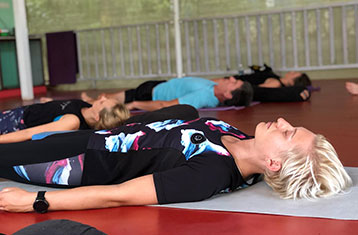
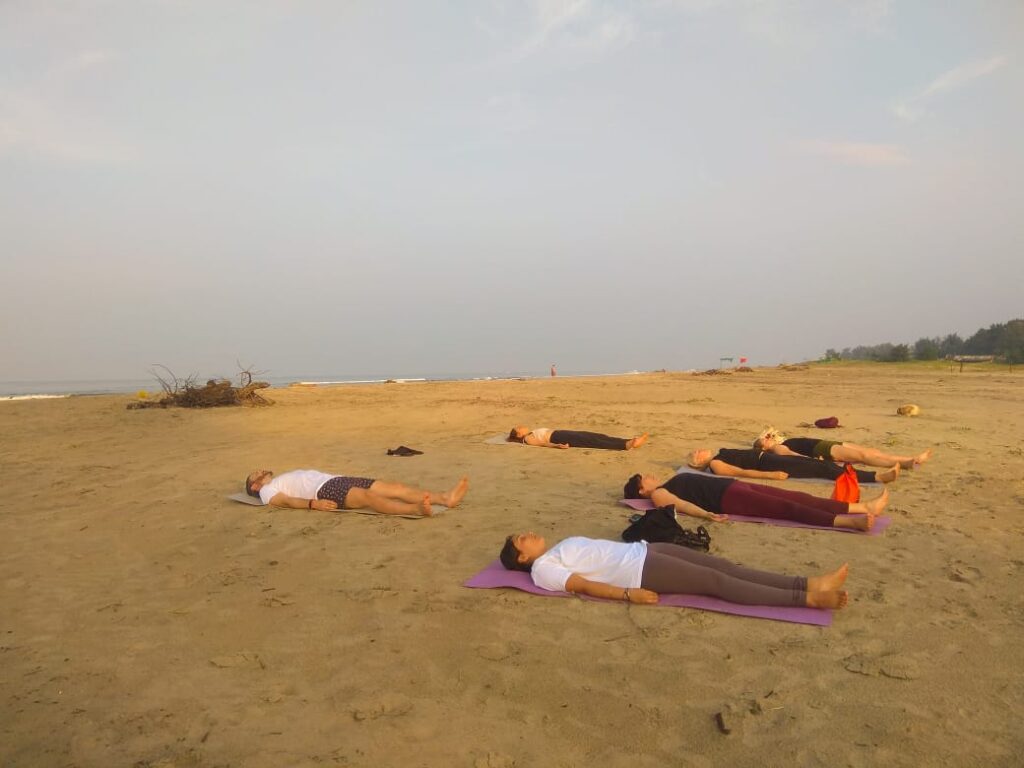
Yoga Nidra
Slow Down. Relax.

Why Study Yin Yoga?

Cultivate
Stillness

Explore a quieter, more meditative approach to yoga and create space for greater awareness.

Develop
Flexibility

Work with longer-held Yin postures while learning how individual bodies respond differently to practice.

Understand
the Body

Explore skeletal variation, tension and compression, fascia, target areas and individual anatomical differences.

Discover
Yin & Yang

Understand the relationship between active Yang practices and the quieter, more receptive qualities of Yin.

Explore
Mindfulness

Use breath, stillness and awareness to develop a more contemplative quality of practice.
What You Will Learn

A Complete Exploration of Yin Yoga

Our 50-hour program brings together practice, theory and exploration, giving you a comprehensive foundation in Yin Yoga and its teaching methodology.

Yin Yoga Practice
  • The principles of Yin practice
  • 27 core Yin poses
  • Additional poses, modifications and variations
  • Appropriate use of props
  • Longer-held postures and mindful stillness
  • Yin Yoga sequencing
Yin, Yang & Daoist Principles
  • Understanding Yin and Yang
  • Yin and Yang tissues
  • Chi and its relationship to practice
  • Daoist Elements
  • Meridians and their relationship to Yin practice
Anatomy
  • Tension and compression
  • Skeletal variation
  • Individual anatomical differences
  • Limitations and possibilities of the body
  • Target areas
  • Fascia and tensegrity
  • The 14-10-7 paradigm
  • The piezoelectric principle as presented in the course curriculum
Mindfulness
  • Understanding mindfulness
  • Breath and awareness
  • Yin as a meditative practice
  • Developing stillness and presence
Teaching Methodology
  • The art of teaching Yin
  • Assisting students in their Yin practice
  • Using props effectively
  • Modifications and variations
  • Creating Yin Yoga sequences
  • Designing sequences around different target areas, Daoist Elements and meridians
The 3 Principles of Yin

Enter. Be Still. Stay.

Yin practice is guided by three simple principles:

01 — Appropriate Depth
Come into the pose to an appropriate depth, respecting your body’s individual structure.

02 — Stillness
Resolve to remain still and observe the sensations and experience of the practice.

03 — Time
Allow yourself to remain in the posture for an extended period, with poses generally held for around 3–5 minutes.

Every Body Is Different

Anatomy & Individuality

One of the important aspects of Yin Yoga is understanding that there is no single shape that every body needs to achieve.

Through the study of skeletal variation, tension and compression, individual anatomy and target areas, you’ll learn to approach Yin practice with greater awareness of the differences between bodies.

This understanding helps you make informed choices about posture, depth, props and variations when practising and teaching.

From Practice to Teaching

Learn to Guide Yin With Confidence

The training goes beyond simply learning Yin postures. You’ll explore how to create meaningful sequences, support students through modifications and variations, and develop an understanding of how to guide a Yin practice.

Through practice and methodology, you’ll begin developing the awareness and skills needed to share Yin Yoga with others.

Your Training Experience

A Day of Practice, Learning & Reflection

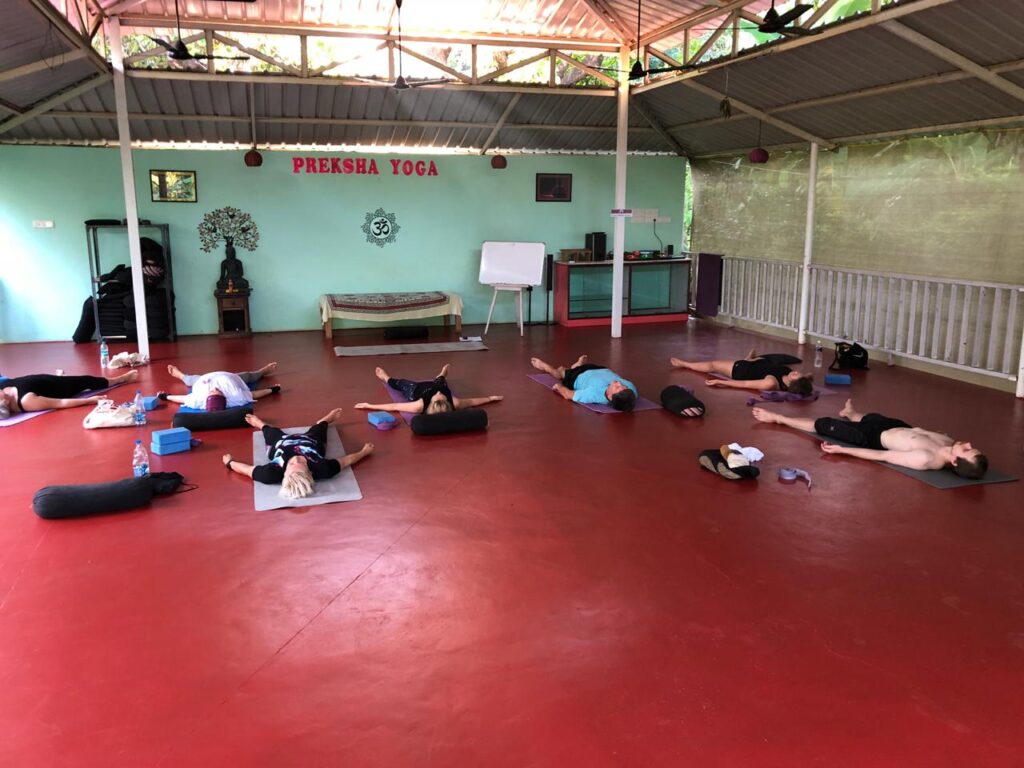
The current course outline describes a rhythm that balances practice, study and reflection. The published schedule includes:

08:00 Yin Yoga Practice
10:00 Breakfast
10:45 Theory, Philosophy & Anatomy
13:00 Lunch
15:30 Motion Analysis & Methodology
17:35 Sunset Circle / Workshop
19:00 Dinner
Frequently Asked Questions

A Few Things To Know

Is Yin Yoga suitable for beginners?

The current course information says the training is suitable for yoga students of different levels and for teachers interested in exploring Yin as a complementary practice. Previous experience with any style of yoga is helpful, but is not listed as a strict requirement.

Do I need to be a yoga teacher?

No. The training is suitable for both yoga students and teachers who want to deepen their understanding and practice of Yin Yoga.

What will I learn during the training?

You'll explore Yin Yoga practice, poses, props, anatomy, mindfulness, Daoist Elements, meridians, sequencing, modifications and teaching methodology.

Will I receive a certificate?

Yes. The current Preksha course information states that students receive an internationally recognised yoga teacher certification after completing the course.

Can I explore Goa during the training?

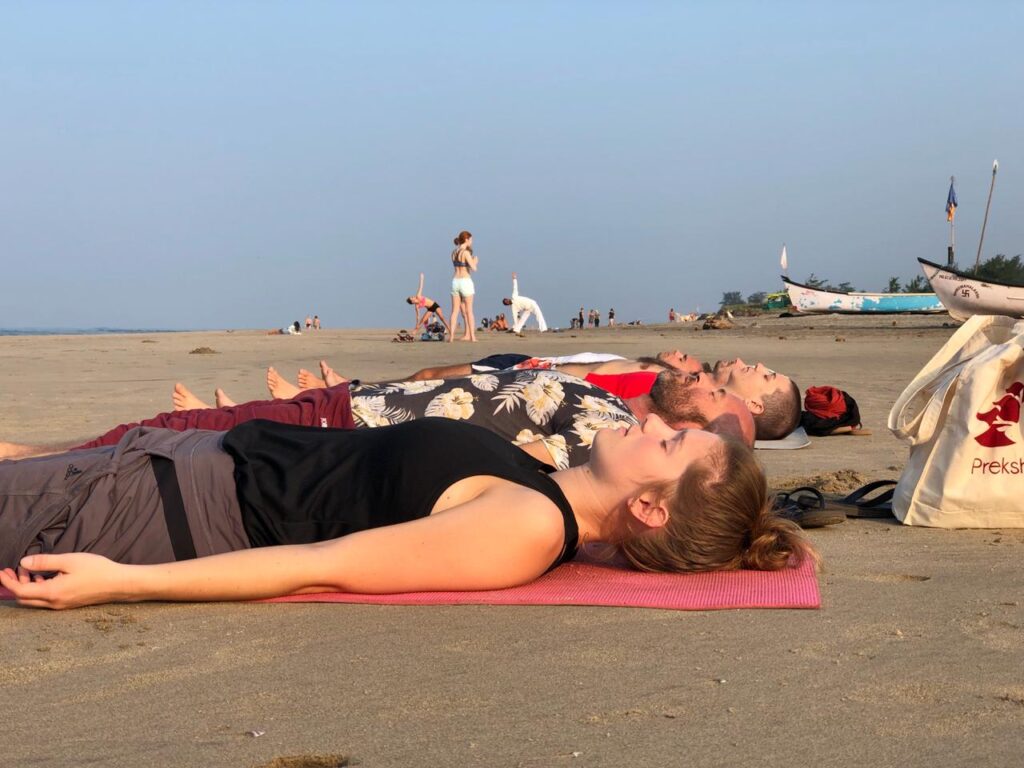
The current course information says students are allowed to visit the local beaches during free time and that there are no classes on Sundays.

Come With Curiosity. Leave With Deeper Understanding.

Who Is This Training For?

The Yin Yoga Teacher Training is suitable for yoga students and teachers of different experience levels who want to explore Yin as a complementary practice to more dynamic Yang styles.

It is particularly suited to:

  • Yoga teachers wanting to expand their teaching repertoire
  • Practitioners interested in a slower, more contemplative practice
  • Students looking to deepen their understanding of Yin Yoga
  • Those interested in mindfulness and Daoist-inspired approaches
  • Teachers wanting to explore anatomy, sequencing and modifications